When Should You Start Grooming Snowmobile Trails? A Guide to Building a Strong Snow Base
From the first snowfall to a dependable trail surface, learn when to begin grooming, how to compact snow, and which equipment helps prepare trails for winter.
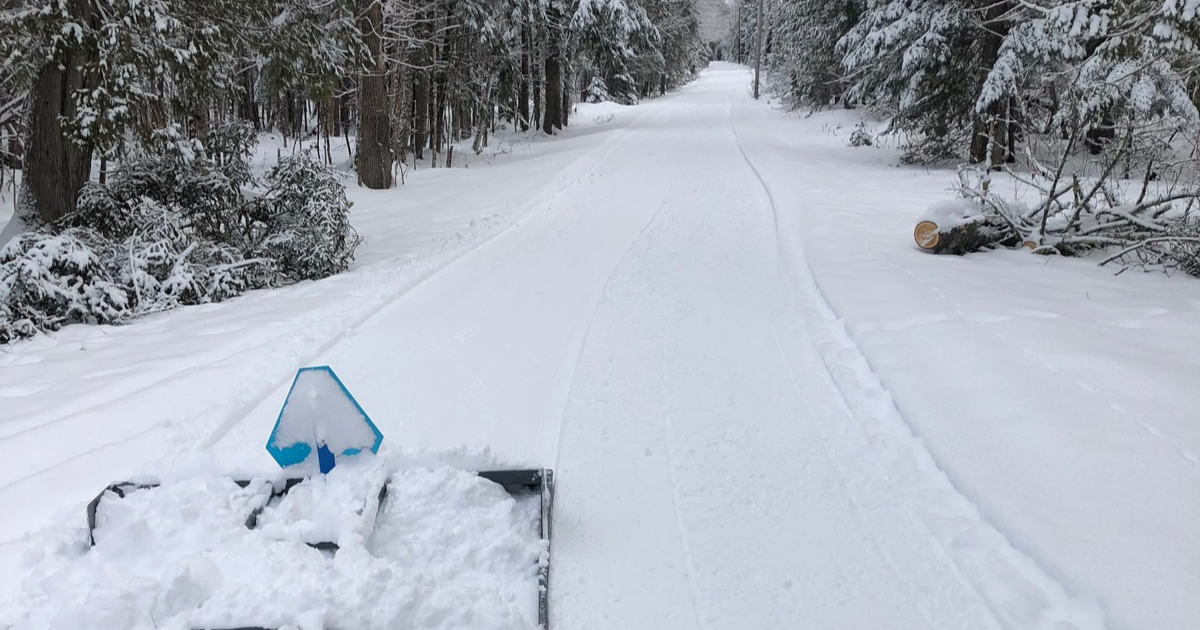
As November arrives, snowmobile clubs and trail maintenance crews across Maine and the Northeast are beginning to look ahead to another winter season. Equipment is being prepared, trails are being cleared, and everyone is waiting for enough snow to start grooming.
But one of the most important questions at the beginning of the season is also one of the most common:
When should you start grooming snowmobile trails?
Starting too early can damage equipment and expose the ground beneath the snow. Waiting for suitable conditions, on the other hand, gives operators a better opportunity to establish a strong, consistent trail base.
At JB Grooming Equipment in Chelsea, Maine, we manufacture trail grooming equipment designed with real-world trail maintenance experience in mind. Here's what to consider before making those first grooming passes of the season.
How Much Snow Do You Need to Start Grooming Snowmobile Trails?
There is no single snow depth that works for every trail.
The amount of snow needed depends on terrain, ground conditions, snow density, and the equipment being used.
As a general guideline, some trail grooming organizations recommend approximately 8 to 12 inches of wet snow on relatively smooth terrain before beginning initial grooming operations. Rougher terrain or lighter, drier snow may require 12 to 18 inches or more.
These are general guidelines, not universal minimums. Operators should always follow local trail management requirements and assess conditions before starting.
It's also important to consider whether the ground is frozen, whether water crossings are safe, and whether hidden obstacles could damage equipment.
A few inches of fresh snow might make a trail look ready, but appearance alone doesn't mean conditions are suitable for grooming.
Why Building a Strong Snow Base Matters
A well-established snow base is the foundation of a durable winter trail.
Early-season grooming focuses on compacting loose snow and creating a consistent surface that can support future grooming operations and snowmobile traffic.
When snow is properly compacted, the individual snow particles can settle and bond together as temperatures allow.
A solid base helps:
- Reduce the development of deep ruts and uneven surfaces
- Provide a more consistent foundation for future snowfall
- Improve the effectiveness of subsequent grooming passes
- Support smoother trail conditions throughout the season
- Reduce the likelihood of exposing the ground during regular maintenance
The goal isn't necessarily to create a perfectly smooth finished trail after the first snowfall. It's to establish a foundation that can be improved as winter progresses.
Snow Rollers vs. Trail Drags: Which Should You Use First?
Different stages of trail grooming call for different equipment.
Snow Rollers for Early-Season Compaction
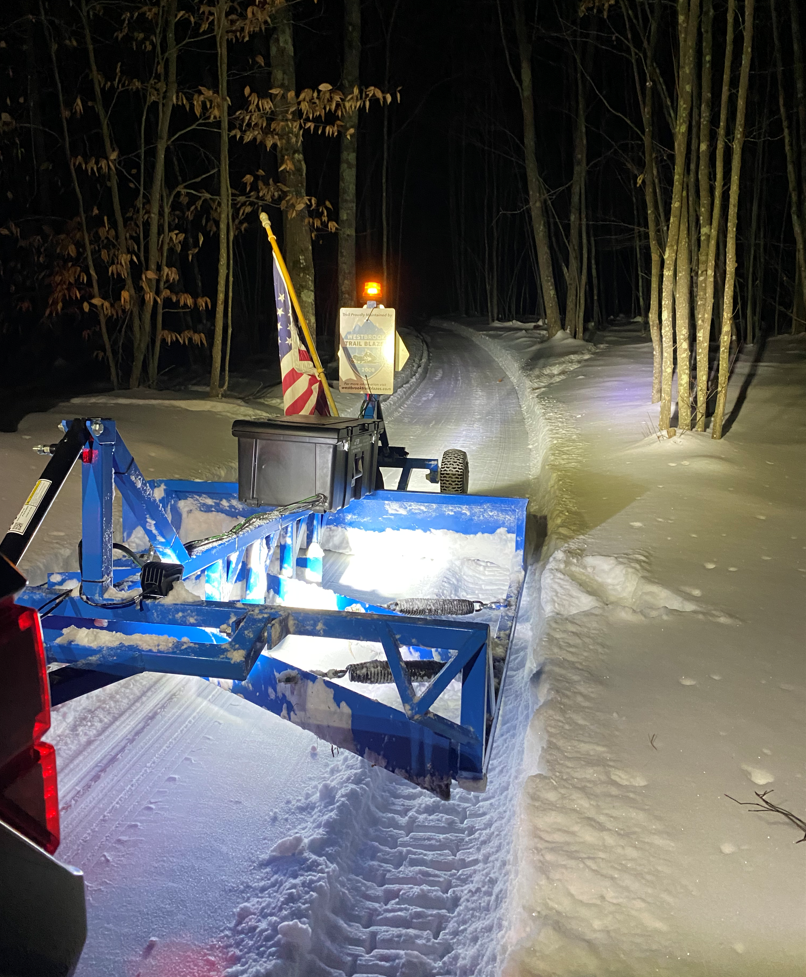
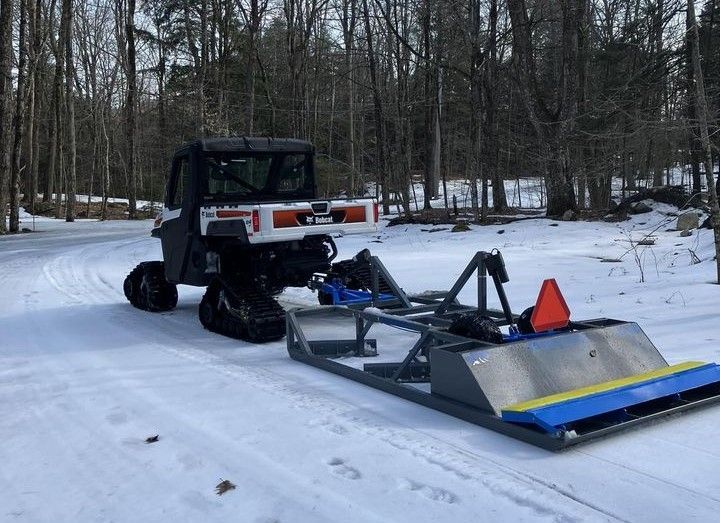
Snow rollers are commonly used during early-season grooming to help compact fresh snow and establish a trail base.
By pressing loose snow together, a roller reduces air pockets and helps create a more consistent foundation.
JB Grooming Equipment manufactures snow rollers in multiple widths for different trail applications.
Our snow rollers are designed to provide relatively low towing resistance and can be useful during lower-snow conditions when using a drag may risk contacting the ground.
However, even with a roller, operators must confirm that snow depth and ground conditions are suitable for their equipment.
Trail Drags for Cutting, Leveling, and Finishing
Once sufficient snow has accumulated and a stable base has developed, trail drags become an important part of regular maintenance.
Trail drags use cutting and leveling components to redistribute snow, reduce uneven surfaces, and improve trail consistency.
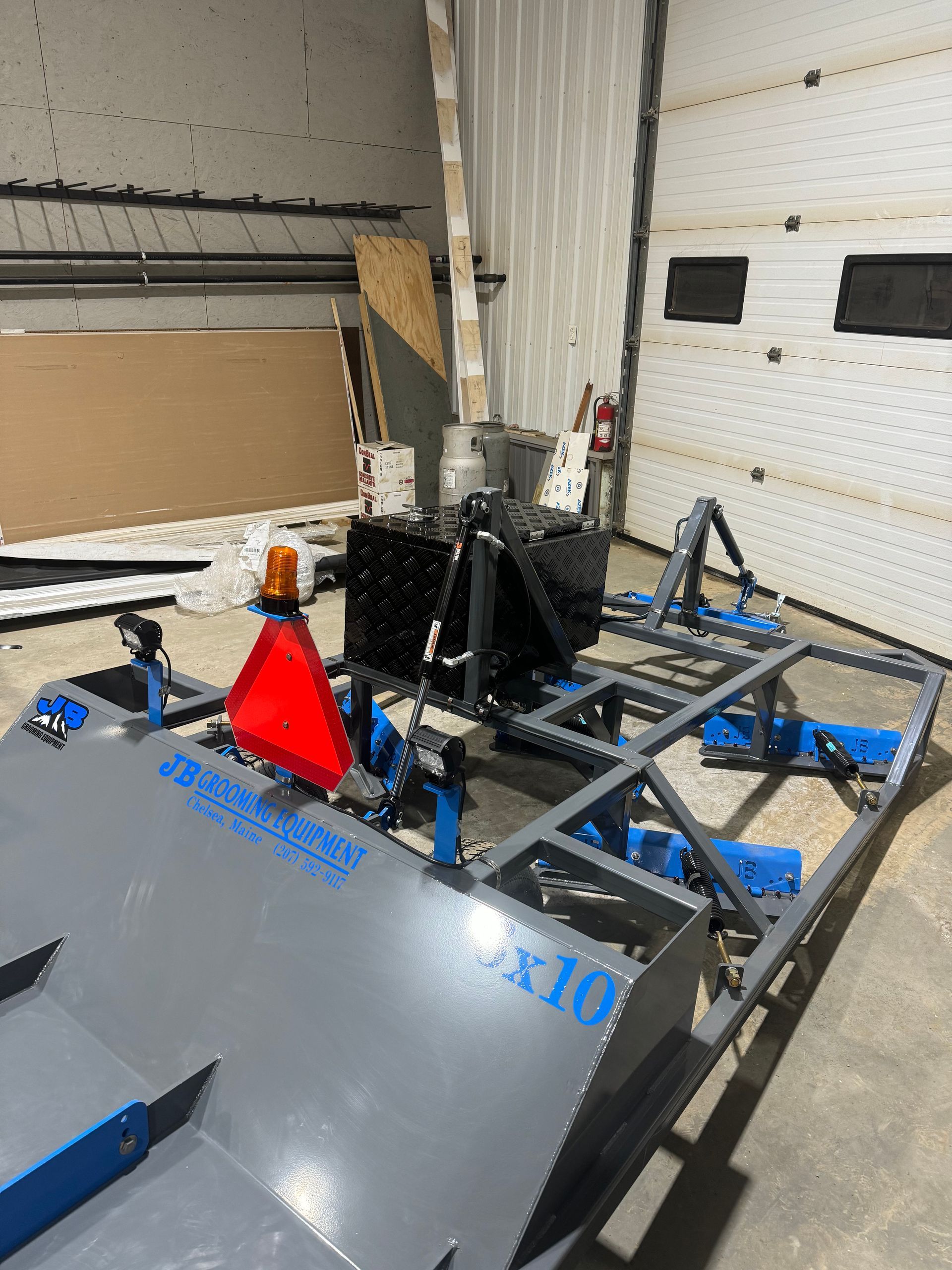
JB Grooming Equipment manufactures both light duty and heavy duty trail drags for different trail systems and towing setups.
Light duty drags can be a practical option for smaller towing machines and narrower trails, while heavy duty drags are designed for more demanding grooming applications.
The right choice depends on trail width, terrain, snow conditions, and the capabilities of the tow vehicle.
How Temperature Affects Trail Grooming
Snow depth isn't the only factor that determines when grooming should begin.
Temperature also plays an important role in how snow responds to compaction and how well a groomed trail sets afterward.
When conditions are cold enough, compacted snow can bond and firm up, helping create a more durable trail surface.
Grooming during warmer conditions can be less effective, particularly when snow is wet or the base is soft.
Operators should consider:
- Current and forecasted temperatures
- Snow moisture and density
- Recent snowfall amounts
- Ground and trail base conditions
- Expected snowmobile traffic
After grooming, allowing time for the trail surface to set before heavy traffic can help preserve the work completed.
This is one reason many trail systems schedule regular grooming during colder, lower-traffic periods.
Common Early-Season Trail Grooming Mistakes
Even experienced operators can encounter challenges when the first significant snowfall arrives.
Avoiding a few common mistakes can help protect equipment and improve trail conditions.
Grooming Before There's Enough Snow
Starting before adequate snow cover and safe ground conditions are established can expose rocks, roots, and other obstacles.
This may damage cutting edges, frames, and other equipment components.
Using the Wrong Equipment for the Conditions
A heavy trail drag may not be appropriate for shallow snow or a smaller towing machine.
Matching equipment to snow depth, terrain, and towing capacity is essential.
Trying to Create a Finished Trail Too Soon
Early grooming should focus on establishing a stable base rather than aggressively cutting and leveling shallow snow.
As conditions improve, operators can transition toward regular trail maintenance.
Not Allowing the Trail to Set
Freshly groomed snow needs suitable conditions and time to firm up.
Heavy traffic immediately after grooming can break down the newly prepared surface and reduce the effectiveness of the work.
Choosing Trail Grooming Equipment for Your Snowmobile Club
Every trail system is different.
A small local snowmobile club maintaining narrow wooded trails may have different equipment needs than an organization grooming wider routes with larger towing machines.
When selecting trail grooming equipment, consider:
- Trail width and terrain
- Typical snowfall and winter conditions
- Tow vehicle type and capacity
- Frequency of grooming operations
- Equipment storage and transportation needs
- Maintenance requirements
JB Grooming Equipment manufactures light duty drags, heavy duty drags, snow rollers, and specialized grooming attachments to accommodate different trail maintenance needs.
Based in Chelsea, Maine, we work with snowmobile clubs, trail organizations, and property owners throughout the United States and Canada.
Get Ready for Winter With JB Grooming Equipment
A successful grooming season starts with preparation, patience, and the right equipment.
Building a strong snow base early in the season can make a difference in how trails perform as winter progresses.
Understanding when to begin grooming and which equipment to use helps operators maintain trails more effectively.
At JB Grooming Equipment, we build durable grooming equipment informed by years of hands-on experience maintaining snowmobile trails.
Whether you're looking for a snow roller to help establish your trail base or a trail drag for regular winter maintenance, we're here to help.
Call JB Grooming Equipment at (207) 592-9117 or contact us today to discuss your trail grooming needs and request a free quote.
Frequently Asked Questions About Early-Season Trail Grooming
How many inches of snow do you need to groom a snowmobile trail?
Some grooming guidelines recommend approximately 8 to 12 inches of wet snow on smooth terrain and 12 to 18 inches or more for drier snow or rough terrain. Actual requirements depend on ground conditions, equipment, and local trail management rules.
Should you use a snow roller or trail drag first?
Snow rollers are often useful for initial snow compaction and base building. Trail drags are typically used once sufficient snow and a stable base are available for cutting, leveling, and finishing.
Is it better to groom snowmobile trails at night?
Nighttime grooming can be beneficial because temperatures are often colder and trail traffic may be lower. However, early-season operations may be safer during daylight when operators need to identify obstacles and evaluate trail conditions.
How long does a groomed snowmobile trail take to set?
There is no fixed setting time. Snow temperature, moisture, compaction, and weather conditions all influence how quickly a trail firms up. Allowing several hours of suitable conditions without heavy traffic can improve trail durability.
Where can snowmobile clubs buy trail grooming equipment?
JB Grooming Equipment manufactures snowmobile trail drags, snow rollers, and other winter trail grooming attachments in Chelsea, Maine. We serve snowmobile clubs and trail maintenance organizations throughout the United States and Canada.